Rebuild to sale condition · Investors & agents
Fix and Flip Rebuild Contractor for LA and North Orange County
Distressed houses taken to sale condition on one contract and one schedule.
Taking a distressed house to sale condition touches every trade in the building. Running that as six separate contracts is how flips lose their margin. We hold the whole scope — so the schedule is one schedule and the delay is on us, not on you.

Why flips slip
Six Contracts
Is Six Schedules
The trade cost is rarely what kills a flip. Carrying cost is. Every handoff between trades is a gap where nobody is on site and the loan keeps running.
Managing it yourself
You Are the General Contractor.
- Find and Vet Each Trade
- Sequence Them in the Right Order
- Chase the One Who No-Shows
- Re-Sequence Everything Behind Him
- Own the Gaps Between Trades
- Own the Rework When Two Trades Collide
- Own the Permit and Inspection Calendar
- Own the Punch List at the End
- Carry the Loan Through All of It
Every one of those is a day.
Days are the only thing a flip actually spends.
Lim Construction Services
We Are the General Contractor.
- Find and Vet Each Trade
- Sequence Them in the Right Order
- Chase the One Who No-Shows
- Re-Sequence Everything Behind Him
- Own the Gaps Between Trades
- Own the Rework When Two Trades Collide
- Own the Permit and Inspection Calendar
- Own the Punch List at the End
- Carry the Loan Through All of It
One scope, one schedule, one number.
You underwrite the deal, not the calendar.
How a rebuild runs
From Walk-Through
To Listing Photos
Most of our rebuild clients are buying on a timeline. The process is built around that, not around our convenience.
Walk Before You Close
Bring us through during your inspection window. You get a written scope and a number before you are committed, so the rehab budget is real when you underwrite.
Demo and Systems
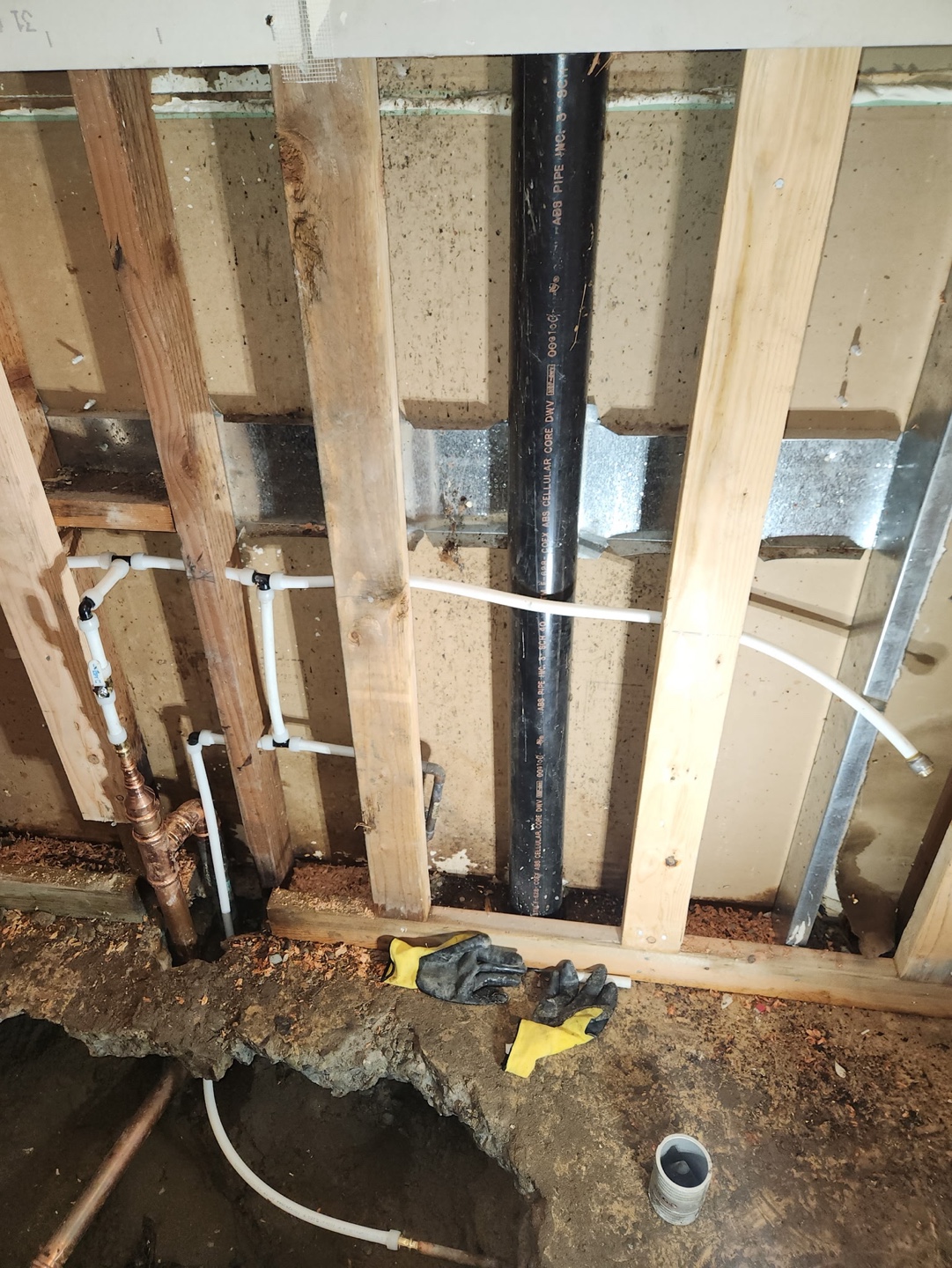
Everything that has to happen behind a wall happens first — supply lines, drains, electrical, framing repairs, roof. This is where hidden problems surface, and where we would rather find them.
Finishes
Drywall, texture, paint, flooring, tile, cabinets, fixtures. Chosen for the price band the house is going to sell in, not for the showroom.
Punch and Hand-Off
Final walk, punch list closed, site cleaned and hauled. Photographed throughout, so you have documentation for the buyer and the file.
What it costs
Priced by Scope,
Not by Square Foot
A per-square-foot number is a marketing device. Two houses of identical size can be double each other depending on what is behind the drywall. We price the actual scope after a walk-through, in writing.
walk-through
Priced from the actual scope,
after we have seen
what is behind the walls.
- Systems conditionIf supply lines, drains, panel and roof are sound, the budget goes into finishes. If they are not, they come first.
- Permit scopeCosmetic work moves fast. Anything structural, or any layout change, brings the city into your schedule.
- Finish bandWe spec to the price the house will list at. Over-finishing a flip is the most common way to lose the margin.
- Square footageIt matters, but far less than what is behind the walls.
- TimelineCompressing a schedule is possible and it costs money. You choose which one you are optimising for, up front.
Backed for five years
If Our Workmanship Fails,
We Come Back and Fix It.
Five years of workmanship warranty on the work and on the finish that closes it. Same company, same phone number, same crew. Terms are written into your contract before you sign anything, so the promise is a document rather than a sales line.
CSLB #1079728 · Class B, General Building · Active through 08/31/2027
$25,000 contractor bond, Atlantic Specialty · $2,000,000 general liability, State Farm
Recent work
From Our Own Jobs
Photographs from our own sites — not a stock library. Every one of these is work our crew carried out.

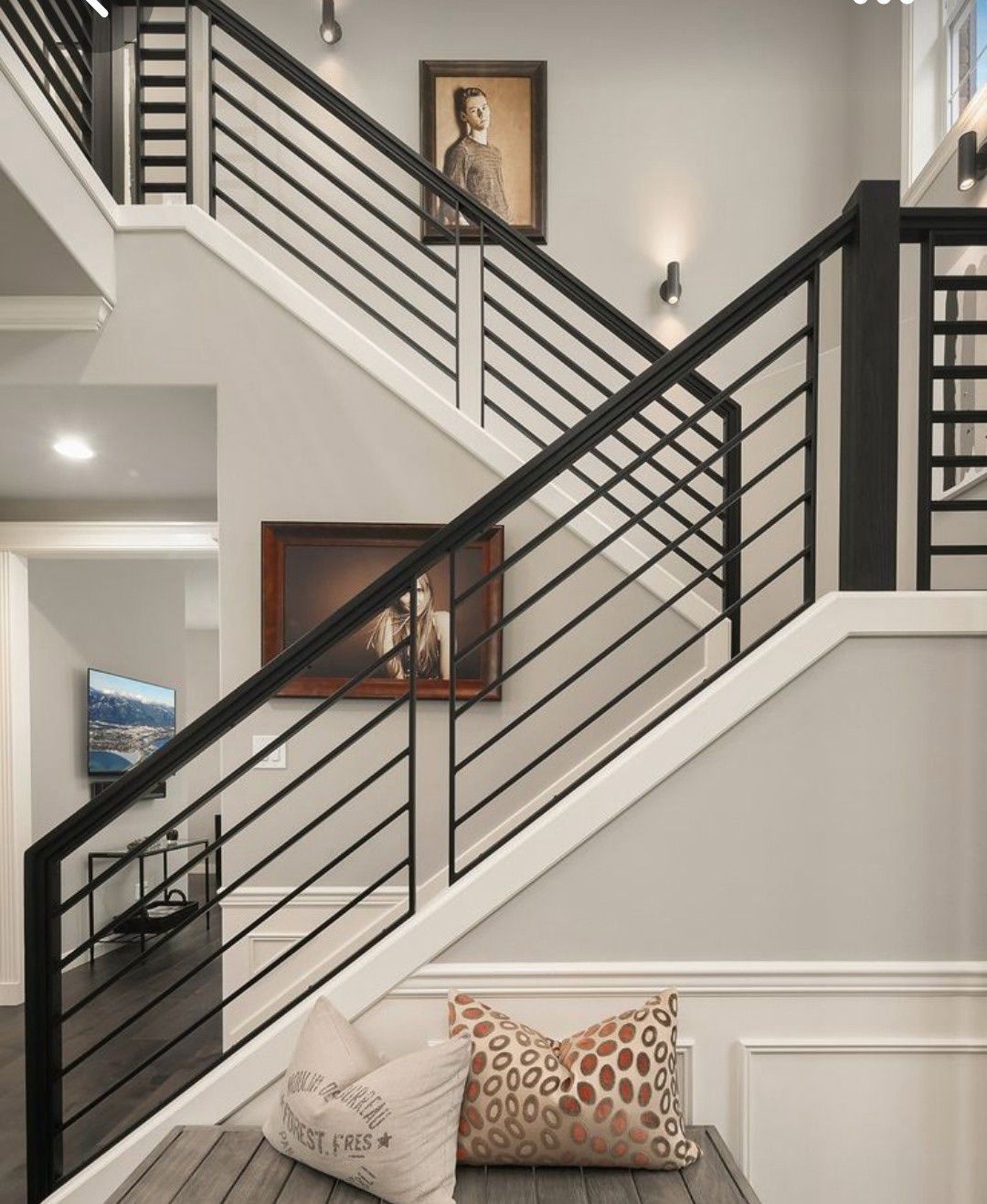
Doors, Trim and Paint Completed
The stage most contractors hand to somebody else. It is in our scope from the start.
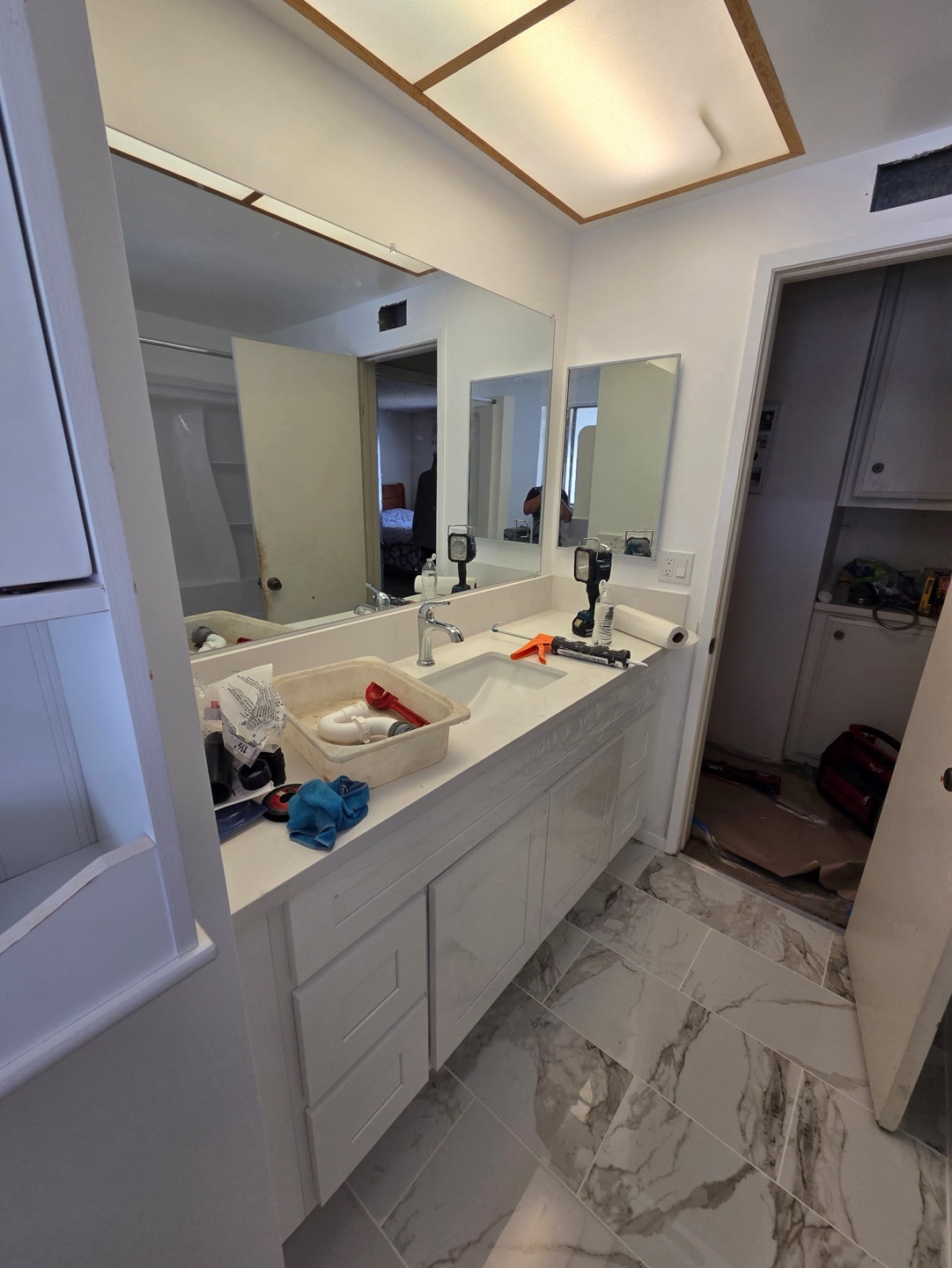
Double Vanity Mid-Remodel
Cabinetry and fixtures going in after the rough work behind the wall was signed off.
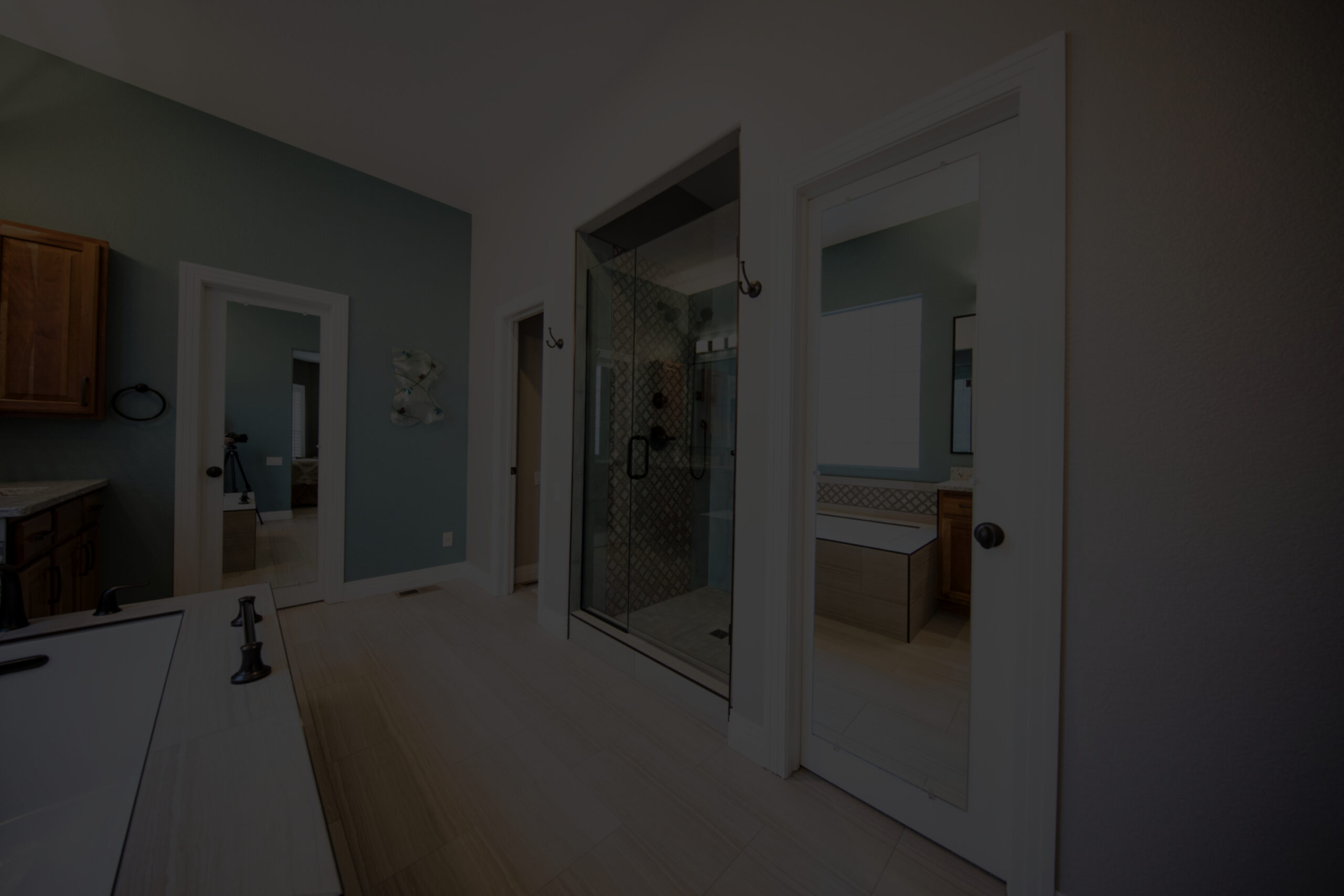
Finished Interior
Drywall, texture, paint and trim closing out a full rebuild, by the crew that opened it up.
Service area
Where We Work
Based in La Mirada, on jobs across Los Angeles County and north Orange County.
Questions we actually get
Before You Call Anyone
Will you walk a house before I close on it?
Yes, and you should ask us to. A written scope and number during your inspection window is the difference between an underwritten deal and a hopeful one. Bring us in with your inspector.
Do you work with investors on more than one property?
Yes. Repeat work is most of what this side of the business is. Once we know the finish band you sell in and how you like a schedule run, later houses move considerably faster.
Can you handle permits?
Yes. Anything structural or any layout change goes through the city, and we run that process. You will know at the walk-through whether your scope needs a permit, because it changes your timeline more than it changes your budget.
What if you find something behind the wall?
You get a photo, a price and a decision to make before we proceed. Nothing outside the written scope gets done and billed without your approval. That is the whole reason the systems stage comes first.
Are you licensed and bonded?
Yes. CSLB license #1079728, Class B, General Building Contractor, active through August 2027. We carry a $25 through Atlantic Specialty and $2 through State Farm. Verify the licence yourself at cslb.ca.gov before you let anyone into your house — we would rather you did.
What deposit do you take?
California caps a residential down payment at $1,000 or 10% of the contract price, whichever is less. Payment after that follows a written progress schedule tied to completed stages, so you always know what you are paying for. If any contractor asks for a large payment up front, that is your signal to walk.
Free estimate
Tell Us About
The Property
The more you tell us, the more useful the first call is. If water is moving right now, don’t type — call.
Call (714) 888-5443